
Italian Winemaker Boroli Bets On Taste Over Provenance.
Prima Edizione by Boroli drop appellation and vintage from the label, betting instead on what’s actually in the glass.
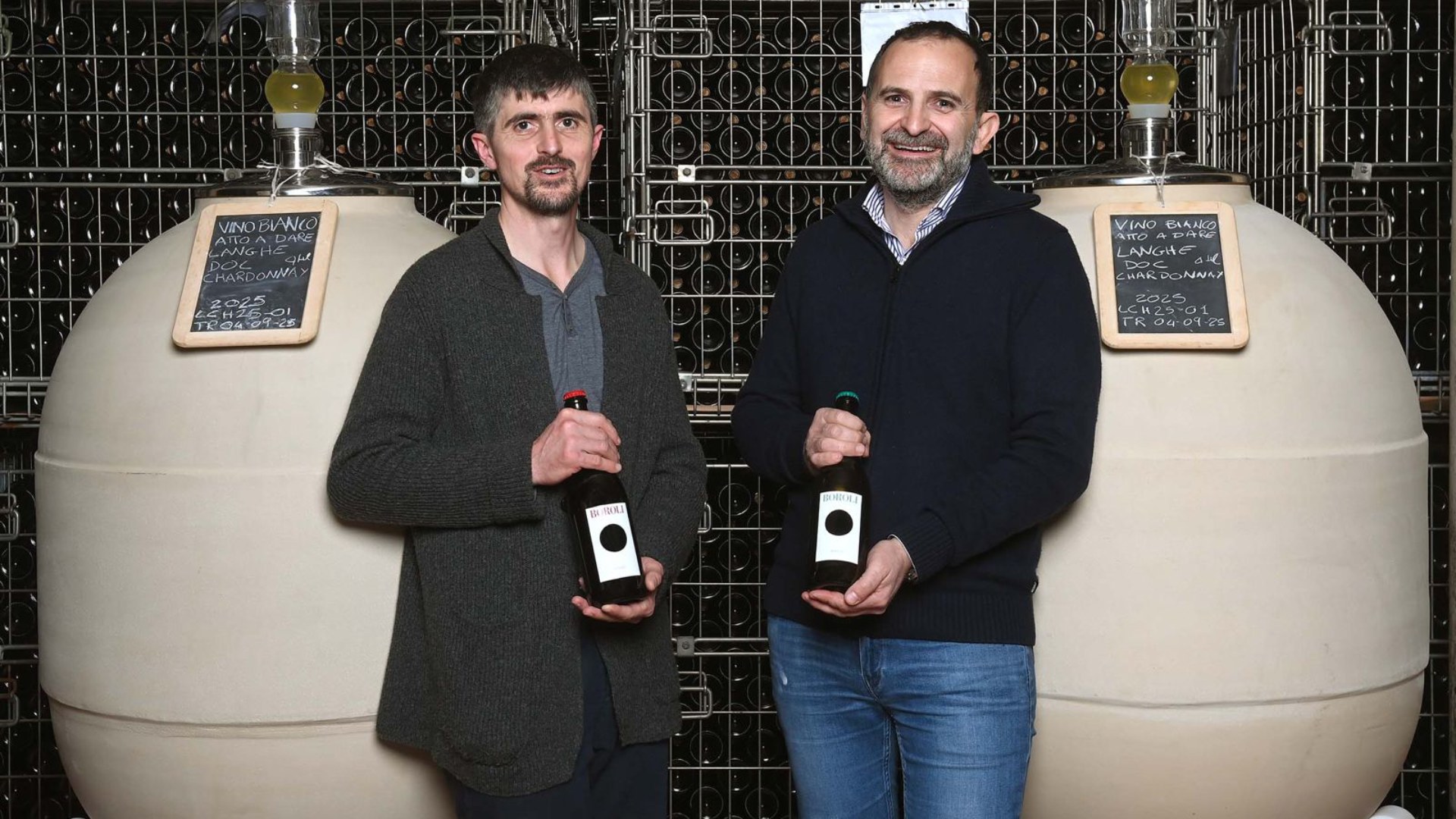
Most Barolo producers put decades of work into telling you exactly what you’re drinking before you’ve lifted the glass. Boroli, working from the Villero hillside in Castiglione Falletto, has just released two wines built on the opposite instinct.
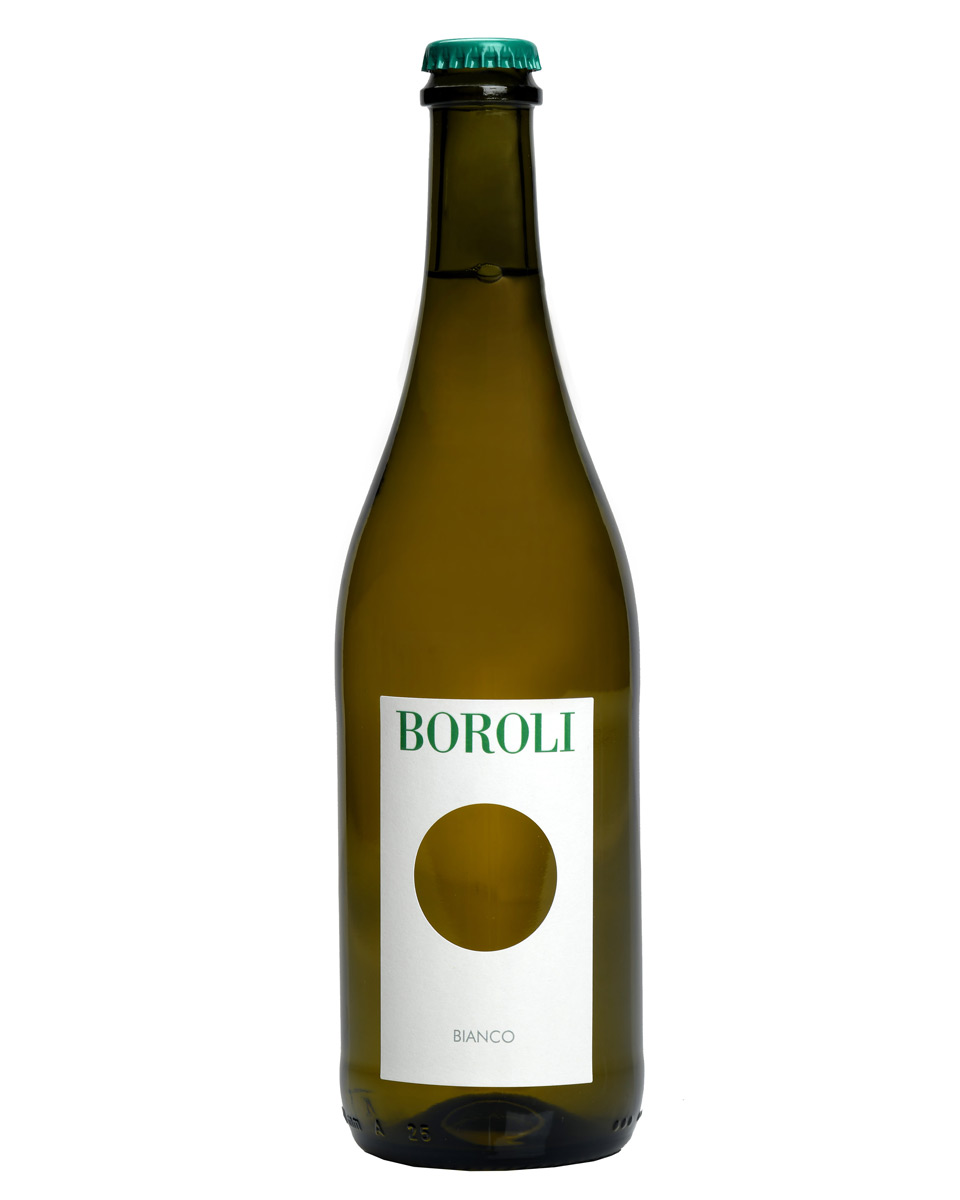
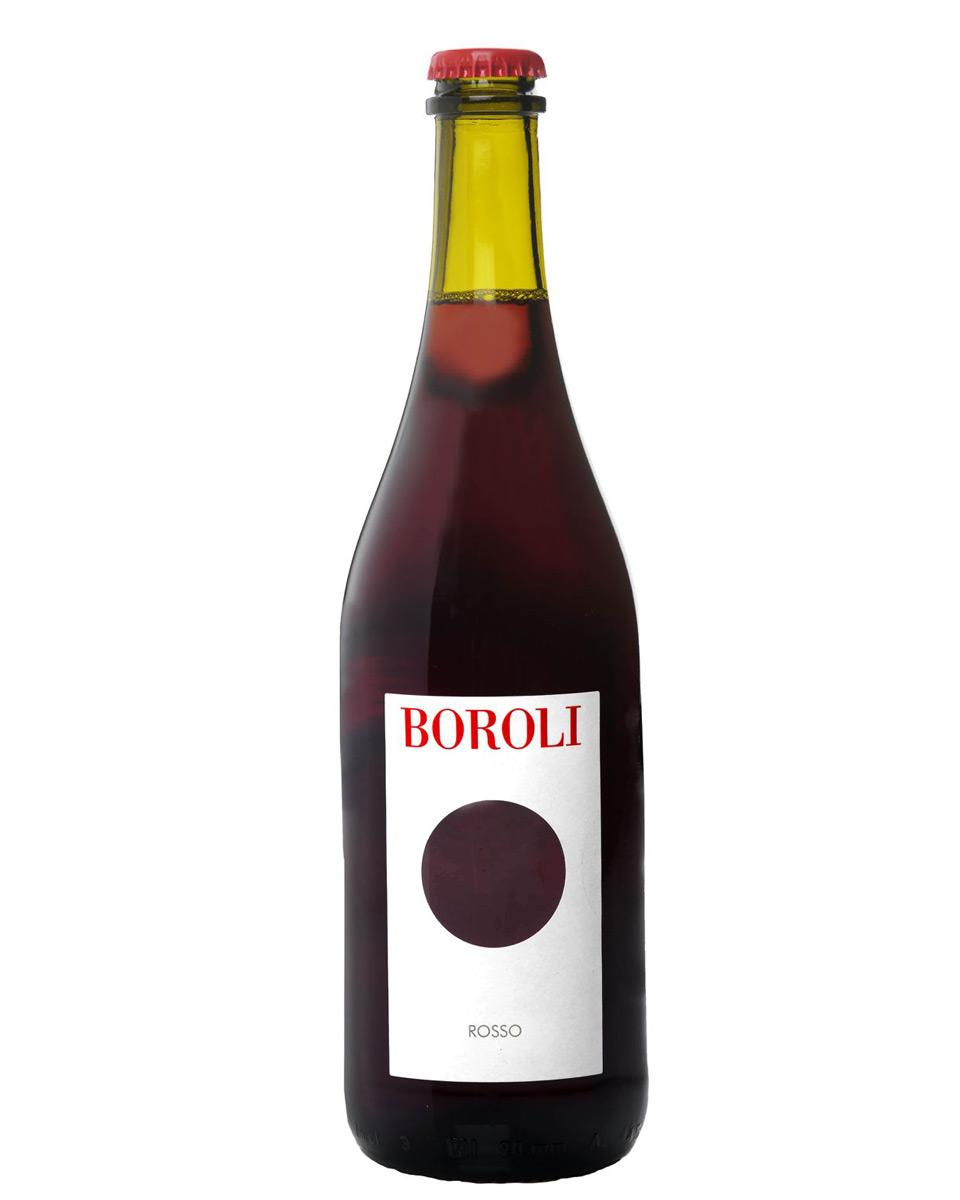
Bianco and Rosso—both labelled simply “Prima Edizione”—carry none of the usual signalling. No appellation designation. No fixed formula for grape variety, parcel or ageing from one vintage to the next. Achille Boroli, whose family has worked this terroir for more than 30 years, frames it as a deliberate choice.
“The territory and the quality of the grapes remain our starting point,” he says, with the vintage itself now dictating the wine’s direction rather than a predetermined formula.
The wines themselves are straightforward enough. Bianco is Chardonnay; Rosso is Nebbiolo. Both come from Villero fruit, both spend 12 months on fine lees in Clayver— stoneware vessels that allow gentle micro-oxygenation without imparting the oak or terracotta character a barrel or amphora would. Both are sealed under crown cap rather than cork.
That last detail is the tell. A crown cap, in most circles, reads as either a budget shortcut or, increasingly, as a technical statement from producers chasing absolute consistency. Boroli is using it for the second reason: removing cork’s variability from the equation, the same way removing the appellation from the label removes a psychological anchor. Nothing about how the wine was aged or classified should tell you what to think before you’ve tasted it.
Barolo, more than most wines, is read before it is drunk: the commune, the cru, the vintage year all arrive as instructions. Villero itself is a name that carries weight among people who follow Castiglione Falletto closely. Stripping that context from Bianco and Rosso is a bet that the fruit and the technique can do the convincing on their own.
Whether that bet pays off is another question. Nebbiolo without oak’s stylistic imprint tends to show its tannic structure more plainly. Chardonnay held 12 months in stoneware, similarly, tends toward salinity and tension over the rounder, creamier notes barrel ageing produces.
What’s genuinely interesting is the sequencing this project implies. Boroli is not retiring its appellation wines. Bianco and Rosso sit alongside them, not in place of them. That said, it is building a second track that can move with each vintage rather than answering to a fixed style. Davide Ferrarese, handling the agronomic side, and Cristiano Garella, overseeing the winemaking, are effectively being handed a licence to let the fruit dictate the outcome year on year, which is a different working relationship with a vintage than an appellation wine typically allows.